If everyone is looking for experienced talent, where does that leave the next generation of technology professionals?
Where are the biggest skills shortages?
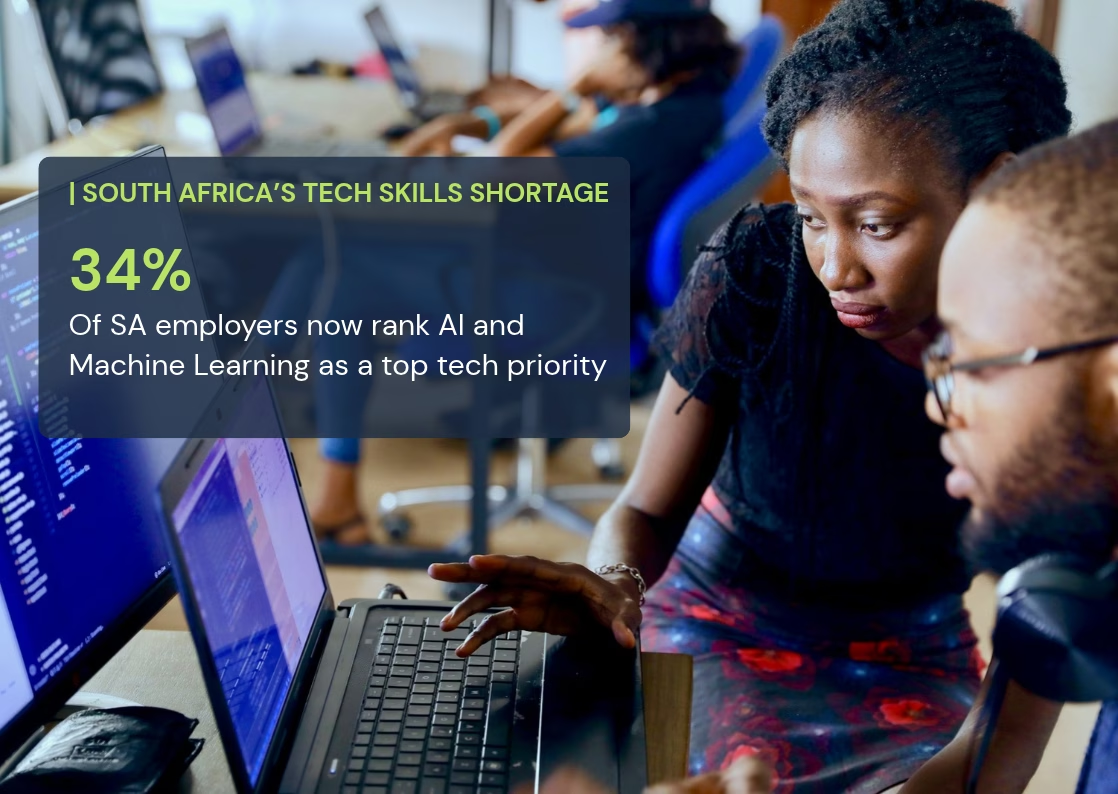
Nearly two-thirds of employers said ICT skill shortages are already having an impact on operations. While businesses already implementing AI are among those struggling most to find the right people who can really deliver.
The survey further highlighted core disciplines where employers can expect the largest skills shortages:
- AI and machine learning: 61%
- Cybersecurity: 50%
- Cloud computing: 41%
These are critical skills for companies investing in technology, modernising their systems and building both the business and teams for future growth. But while demand for these skills are likely to remain strong, there’s another finding that caught our attention.
Employers also identified a lack of practical workplace experience (24%) as the biggest contributor to the skills shortage ahead of gaps in education and training (20%). We’re facing a shortage of technology skills, yet one of the biggest barriers to developing those skills is the opportunity to gain practical experience in the first place.
For businesses investing in AI, cybersecurity and cloud, experienced professionals who can step into a project and start delivering will continue to be increasingly valuable, and more costly.
Where teams are struggling to meet deadlines or find themselves under pressure it’s understandable that they’ll likely onboard contractor talent who’ve done the work before, but may come at a higher price point for the short-term.
This approach does raises a difficult question for graduates and junior professionals though. How can they build experience when so many opportunities depend on already having it? It’s a challenge we need to pay closer attention to not just as an industry but as a country actively looking to tackle youth unemployment.
What does this mean for South Africa's tech hiring market?
Three things worth thinking about before 2027
1. Be clear about the skills your business actually needs
If AI, cybersecurity or cloud is part of your growth strategy, take a closer look at the capabilities required to deliver it. Getting clear on these questions early could save you time and frustration when it’s time to hire.
Ask yourself:
- Where you need someone with years of hands-on experience?
- Which skills could be developed within your existing team
- Are there opportunities for junior professionals to contribute while learning from more experienced colleagues?
2. Invest and grow the people you have, and the people who are yet to arrive
Your teams are already thinking about their future. A whopping 73.1% of the ICT professionals surveyed said learning new skills is how they’re adapting to AI, while 41% of employers are using development programmes as a way to retain talent.
Give your experienced team the space to develop new skills, and consider how graduates and junior professionals could be part of that journey. Mentorship, graduate programmes and exposure to live projects all help build the practical experience, but also that future pipeline of talent that employers say they’re struggling to find.
3. Know when to bring in specialist experience
If you’re working towards a deadline or introducing technology your team hasn’t worked with, an experienced contractor or specialist hire could make a real difference, but we always encourage hiring managers to consider the need beyond the immediate project.
Could that person mentor a junior engineer or help develop new capabilities, build knowledge share? One experienced hire could have a much bigger impact on your teams long-term skill development and growth.